corporate travel visa management
Corporate Travel Visa Management: Who on Your Team Is Travel-Ready Right Now?
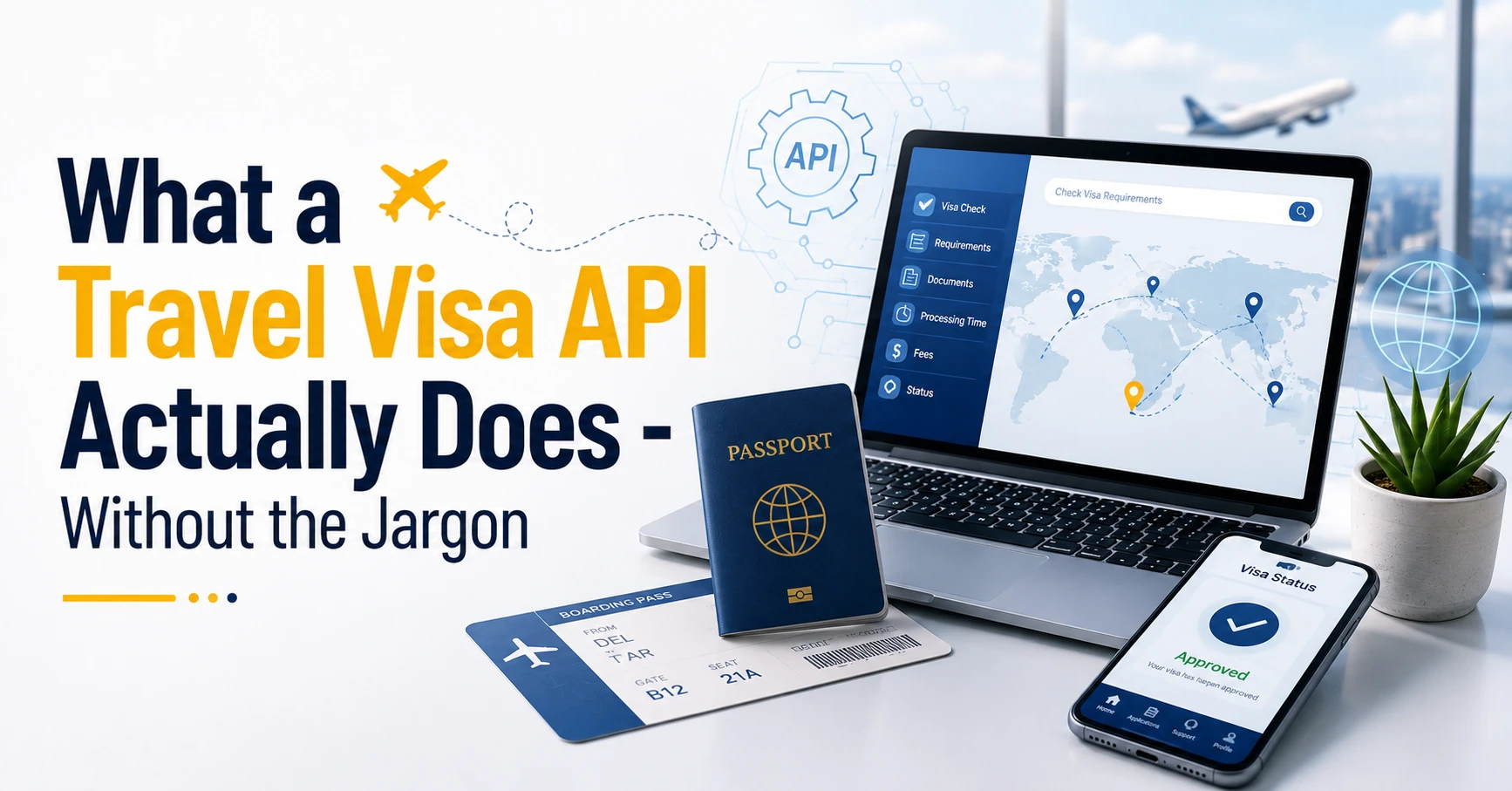
Introduction - From Spreadsheets to Real-Time Visa Management
Corporate travel visa management means knowing, before a trip is booked, which employees already hold valid visas and which ones need weeks of lead time. Not discovering the gaps the day before departure.
This real-time visibility is exactly what a travel visa management system provides, replacing the spreadsheets nobody keeps current.
At its core, corporate visa management is the practice of tracking every employee's visa status against upcoming trips, so gaps surface before booking, not after.
The output is a readiness view: who's cleared to travel now, who needs to start a renewal, and how much lead time each destination requires.
This differs from traditional visa service partners like CIBTvisas, which process individual applications on request rather than giving a company an always-on roster view.
Industry bodies such as GBTA treat travel risk management as a defined, resourced discipline, and visa readiness belongs inside it, not on the sidelines.
The Readiness Audit: 4 Questions Every Travel Manager Should Be Able to Answer Right Now
Visa readiness is not abstract. It is a checklist every travel manager should be able to run instantly.
GBTA's travel risk management resources show how seriously companies now take traveler preparation, and business travel compliance is part of that. So ask yourself these four questions:
- Who has a visa valid for their next planned trip?
If you can't see this at a glance, you risk booking flights for employees who won't clear immigration. - Whose passport expires within six months of a planned trip, a common hidden blocker?
Many countries enforce a six-month passport validity rule, so a near-expiry passport can derail travel even if the visa itself is valid. - Which destinations on the roadmap need four or more weeks of lead time?
Long interview queues or processing delays require proactive trip planning. Without visibility, trips slip. - Who already has a renewal in progress?
Tracking pending applications prevents double-booking and last-minute surprises when approvals aren't yet confirmed. Few teams can answer all four questions from memory.
That gap is the real hook. Without a readiness audit, corporate travel runs on guesswork. A visa management system surfaces all four answers in real time and turns travel risk into readiness.
What a Readiness Dashboard Actually Tracks
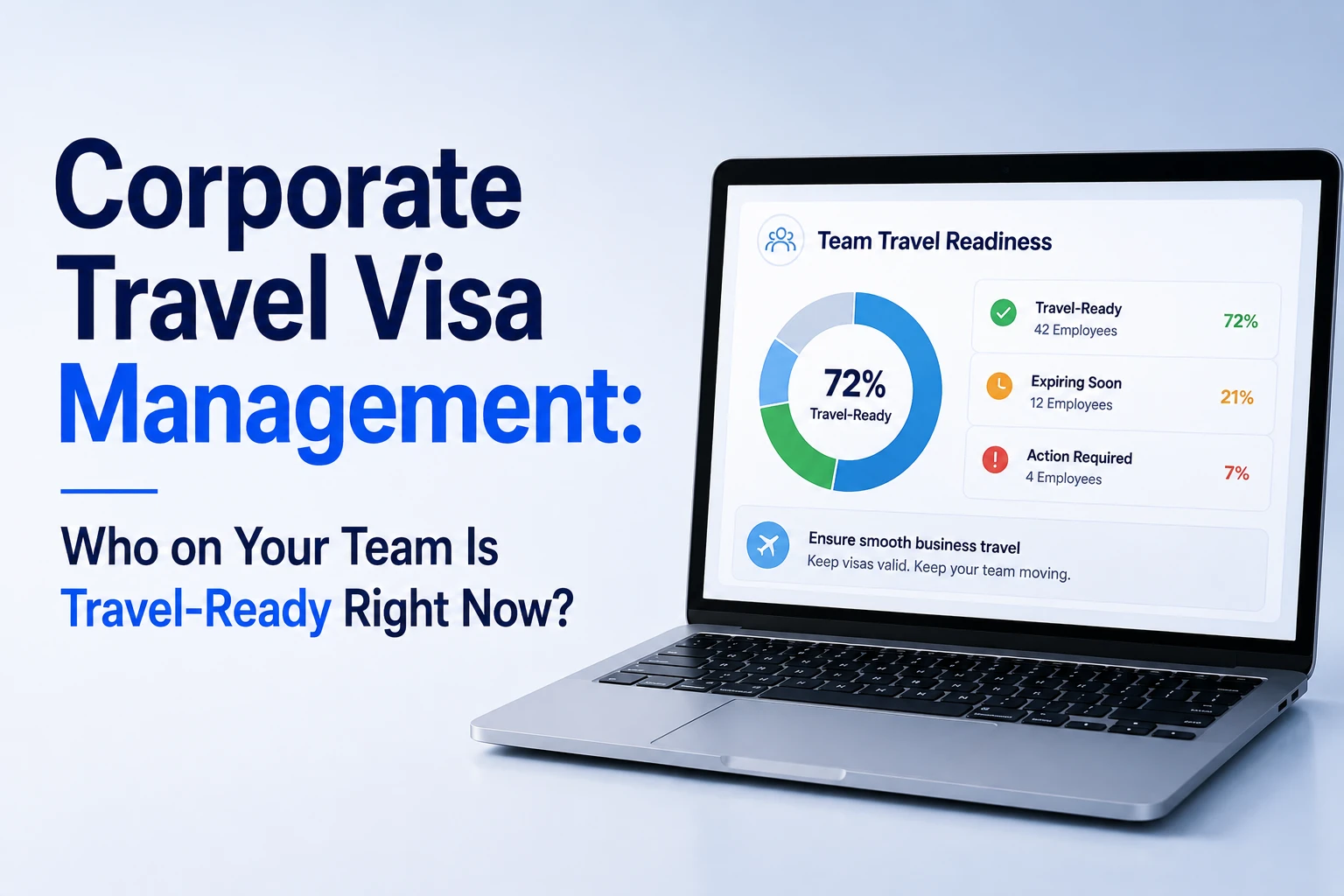
A corporate travel readiness dashboard isn't an abstraction. It is the backbone of employee travel visa management software.
It is a concrete data layer that surfaces the information travel and HR teams need before booking. The value lies in the specific data points it keeps current:
- Visa expiry dates per employee per country: Every traveler's visa status is mapped against upcoming destinations, so managers know who is cleared and who is at risk of lapsing.
- Passport expiry dates: Many countries enforce the six-month validity rule. A good dashboard flags passports nearing expiry and prevents the hidden blockers that derail trips, even when the visas themselves are valid.
- Destinations requiring advance lead time: Some countries need four or more weeks for processing because of interviews or backlogs. The dashboard highlights these destinations so trips can be planned with realistic timelines.
- Renewal-in-progress status: Pending visa applications are tracked centrally, so managers don't double-book or assume an employee is ready while an approval is still pending.
Together, these data points create a real-time readiness view: who can travel today, who needs a renewal, and how much lead time each destination requires.
Unlike static spreadsheets, a corporate travel readiness dashboard updates continuously, giving managers confidence that every trip is backed by current visa data.
Platform vs. Traditional Visa Partner: A Different Model
Traditional visa service partners like CIBTvisas operate on a request-driven model. When an employee needs a visa, the partner processes that application case by case.
They collect documents, submit forms and liaise with consulates. This approach is proven and reliable, but it only activates once a request is made.
Always-On Readiness: Proactive, Not Reactive
A corporate travel visa management platform works differently. Instead of waiting for individual requests, it provides an always-on view across the entire employee travel roster.
Visa expiry dates, passport validity, lead-time requirements and renewals in progress are tracked continuously.
This corporate travel readiness dashboard means travel managers see gaps before booking, not after. Proactive rather than reactive.
Hybrid Workflow: Platforms and Partners Together
Importantly, the two models aren't mutually exclusive. A platform can surface readiness data and then route specific applications to a processing partner when needed.
In practice, this creates a hybrid workflow: the platform handles visibility and planning, while the partner executes the complex case-by-case submissions.
Complementary Strengths: Visibility Plus Execution
The distinction is clear. A partner processes visas one at a time, while a platform gives a company systemic visibility.
Together, they form a complementary stack: visibility plus execution. This reduces risk and keeps corporate travel compliant and on schedule.
AI-Driven Visa Management for Every Trip
This kind of always-on visibility is exactly what a purpose-built visa management system is designed to give a travel or HR team, beyond ad hoc tracking in a spreadsheet.
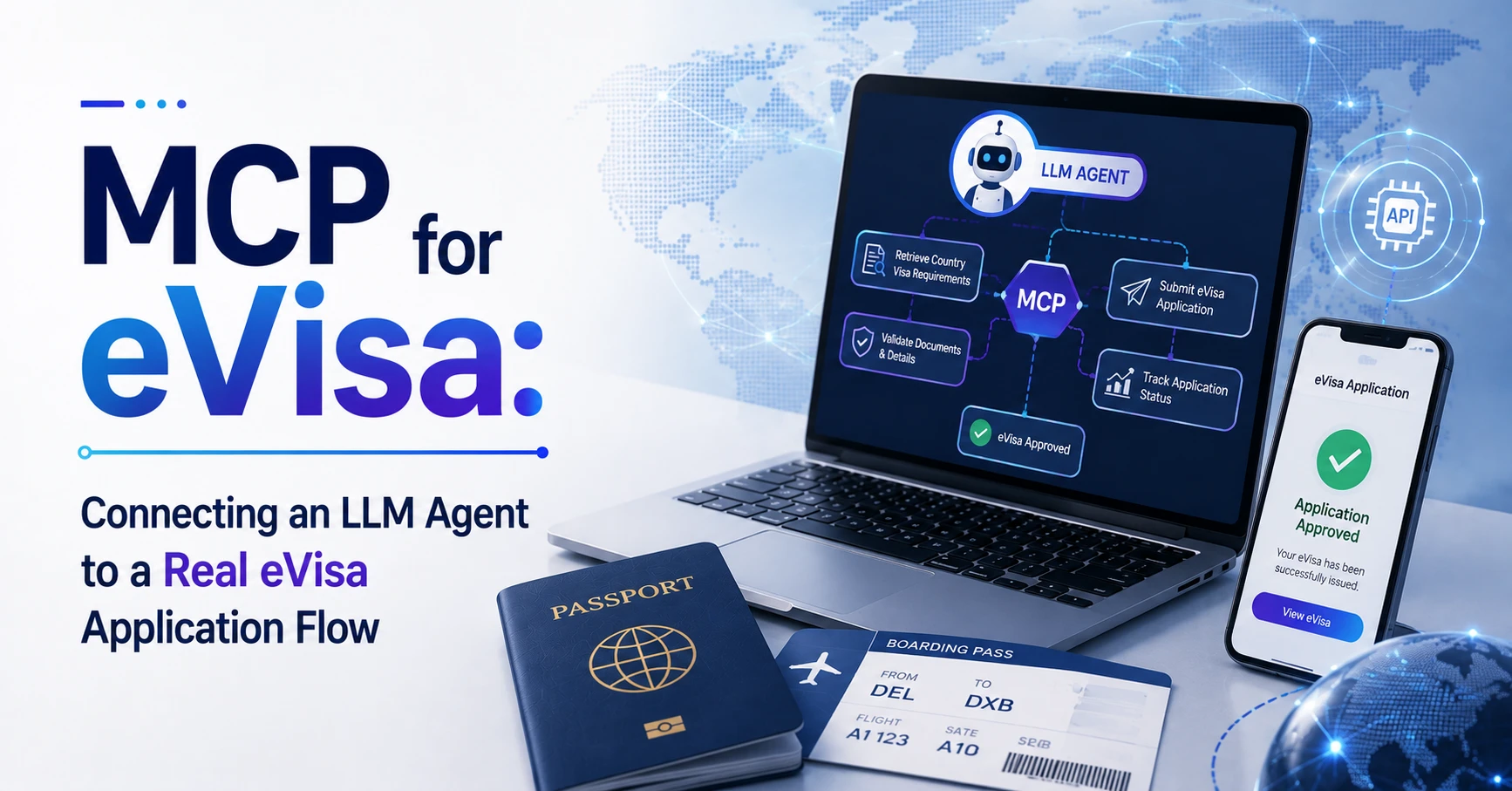
Pairing it with AI travel agents that can check visa requirements automatically means gaps get caught the moment a trip is booked, not during a quarterly review.
Setting This Up Without Adding Work for Employees
The strength of a corporate travel visa management platform is that it doesn't ask employees to re-enter the same data every time they travel.
Instead, the system captures the essentials once, either at onboarding or during the first trip booking. Passport details, visa records and destination requirements are stored centrally, forming the baseline profile for each traveler.
Automated Maintenance and Real-Time Checks
From there, the corporate travel visa management platform maintains the data automatically.
Renewal reminders are triggered as expiry dates approach, so employees are notified well before a trip is at risk.
Travel-booking integrations add another layer. When a new trip is scheduled, the system cross-checks the traveler's profile against destination requirements in real time.
If a gap exists, such as a visa nearing expiry or a passport falling short of the six-month rule, the platform flags it instantly.
Streamlined Readiness Without Extra Effort
For employees, this means no repetitive form-filling or manual updates. For managers, it means readiness data stays current without chasing staff for details.
The result is a streamlined process: one-time capture, automated maintenance and proactive alerts. This keeps the whole roster travel-ready.
Corporate Travel Visa Management Platform vs. Traditional Visa Services Partner
Integration and Automation
- Visa Management Platform: Syncs with HR/travel systems, auto-updates profiles.
Visibility
- Visa Management Platform: Always-on readiness view across the team.
- Traditional Visa Partner (e.g., CIBTvisas): Per-request, one application at a time.
When Gaps Surface
- Visa Management Platform: Before booking, proactively. Booking triggers flag issues instantly.
- Traditional Visa Partner (e.g., CIBTvisas): When someone requests processing, often reactively.
Renewal Tracking
- Visa Management Platform: Automated reminders per employee. Renewal alerts sent directly to employees/managers.
- Traditional Visa Partner (e.g., CIBTvisas): Not tracked unless a new request is made.
Best Fit
- Visa Management Platform: Companies with frequent, distributed international travel. Enterprises needing smooth workflow integration.
- Traditional Visa Partner (e.g., CIBTvisas): One-off or infrequent complex visa cases.
Moving Forward: See Who on Your Team Is Travel-Ready
Replace the spreadsheet with a live readiness view. YourVisa.ai's corporate travel visa management platform tracks every employee's visa and passport status against upcoming trips automatically, so managers catch gaps before booking, not after.
Explore the Visa Management Platform →
FAQs
What's the difference between corporate travel visa management and a visa processing service?
A processing service (like a traditional visa partner) handles individual applications on request. Visa management software gives an ongoing, company-wide readiness view, so gaps are caught before a trip is booked.
How far in advance should a company track employee visa status?
It depends on destination lead times, which range from days to several weeks or months. A readiness dashboard flags destination-specific lead time automatically, rather than requiring HR to remember it.
Does this replace the need for a visa services partner?
Not necessarily. A platform gives visibility into who needs a visa and when. Processing partners can still file the complex applications, and the employee travel visa management software tracks the outcome.
What data does a corporate travel readiness dashboard need from employees?
Typically the passport number, issuing country and expiry date, plus existing visa records. This is captured once at onboarding or on the first trip, then maintained through renewal reminders.
Is this only relevant for large enterprises with heavy international travel?
No. Any company with recurring international travel benefits from knowing readiness in advance. The risk of a blocked trip (and its cost) doesn't scale down with company size.