
visa compliance automation
Visa Compliance Automation for Travel: How to Cut Rejection Rates and Manual Review
Table of Contents
- What is Visa Compliance Automation?
- Why Does Manual Visa Review Cause Rejections?
- How Can Automation Cut Rejection Rates?
- What to Automate First?
- FAQs
- Moving Forward: See Visa Compliance Automation in Action
A rejected visa doesn't just mean a denied trip. It triggers costly refunds and re-bookings, and it damages your agency's reputation. Every rejection erodes traveler trust and drains staff time in manual reviews. That is why automation is becoming mission-critical.
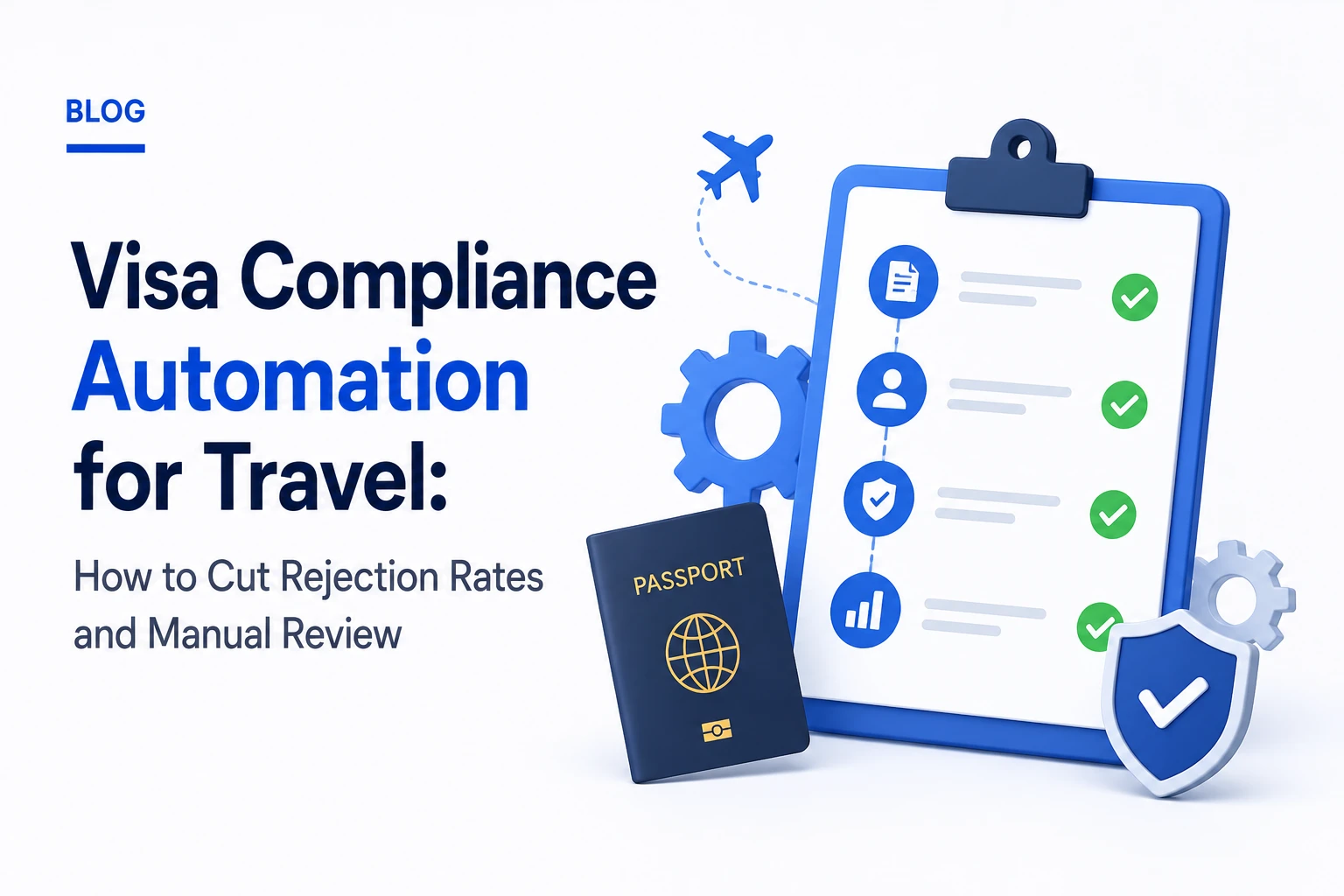
Visa compliance automation for travel is the use of software to automatically validate traveler documents and requirements before submission. It reduces the number of rejected applications and the staff time spent on manual review.
By running compliance checks upfront, travel agencies reduce rejection rates, cut operational costs and deliver smoother travel experiences. Here is how automation changes visa management.

What is Visa Compliance Automation?
A visa management platform that automates compliance validates traveler documents and requirements automatically before submission. This reduces the number of rejected applications and the staff time spent on manual reviews.
Instead of relying on manual checks, automation brings more accuracy and keeps every visa application consistent. That is how you reduce visa rejection rate by automation.
Key processes that get automated include:
- Requirement lookup: Checking visa or ETA rules by nationality and destination.
- Document validation: Detecting missing items, low-quality scans and incorrect formats.
- Checklist enforcement: Standardizing every submission step.
- Audit trail creation: Recording every action for compliance, transparency and dispute resolution.
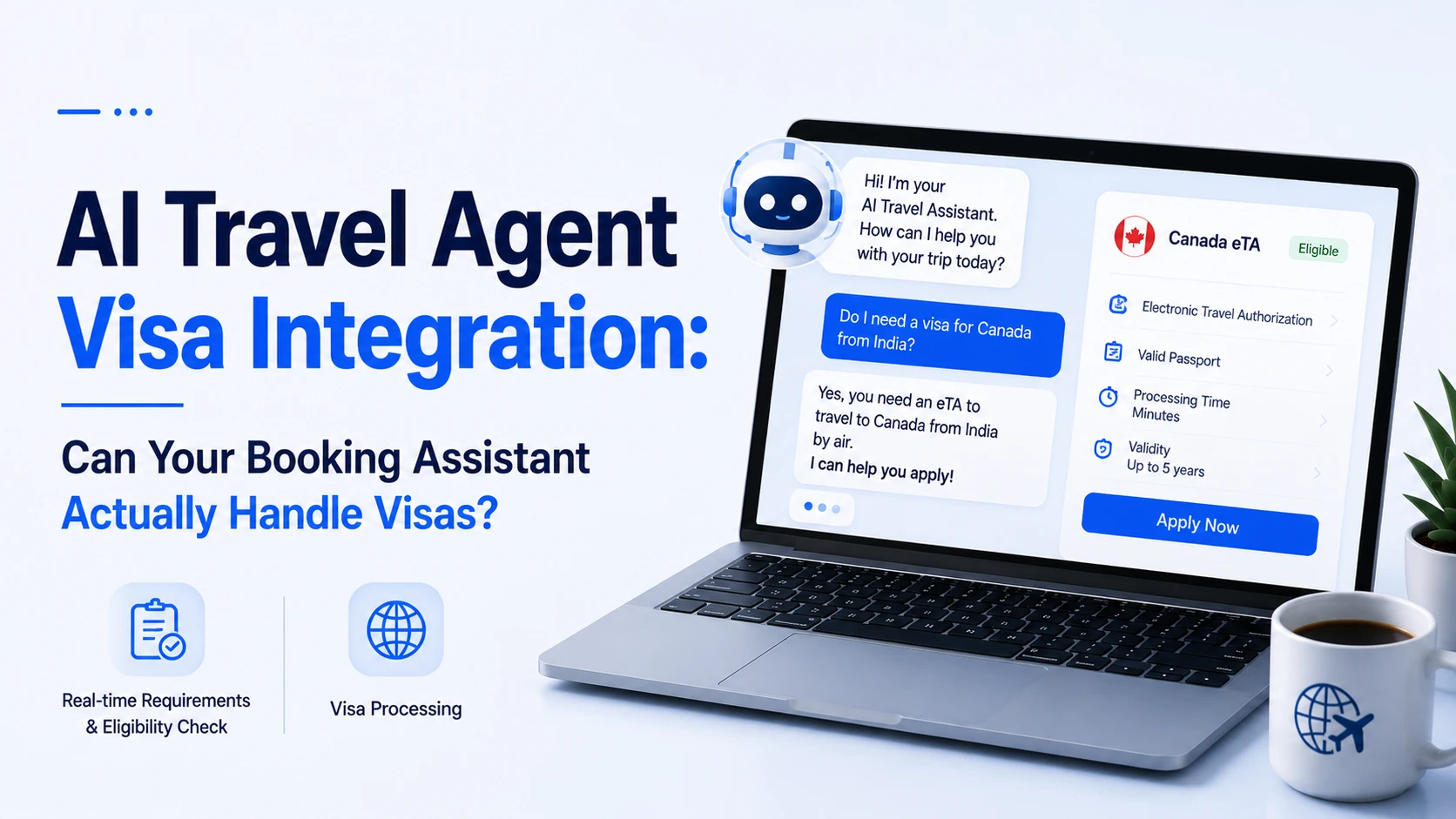
By embedding these automated safeguards, agencies minimize the risk of rejection and streamline their operations. Visa compliance automation for travel delivers a smoother experience for customers.
Why Does Manual Visa Review Cause Rejections?
Manual visa review is inherently error-prone. Travel agencies relying on spreadsheets, emails and ad-hoc checklists face several risks:
- Typos and data-entry errors: Even small mistakes in names, passport numbers or dates can trigger a rejection.
- Outdated rules: Visa requirements change frequently. Manual processes struggle to keep pace.
- Missing documents: Without automation, travelers submit incomplete files, which can lead to outright refusals.
- Inconsistent checklists: Staff may apply different standards. This creates uneven quality control and higher rejection rates.
The impact of these errors is magnified by today's U.S. visa wait-time crisis. Visitor-visa interview wait times published by the Department of State vary widely by consulate and can stretch to many months at some posts. That means every rejected application sends the traveler back to the end of the queue, compounding cost and frustration.
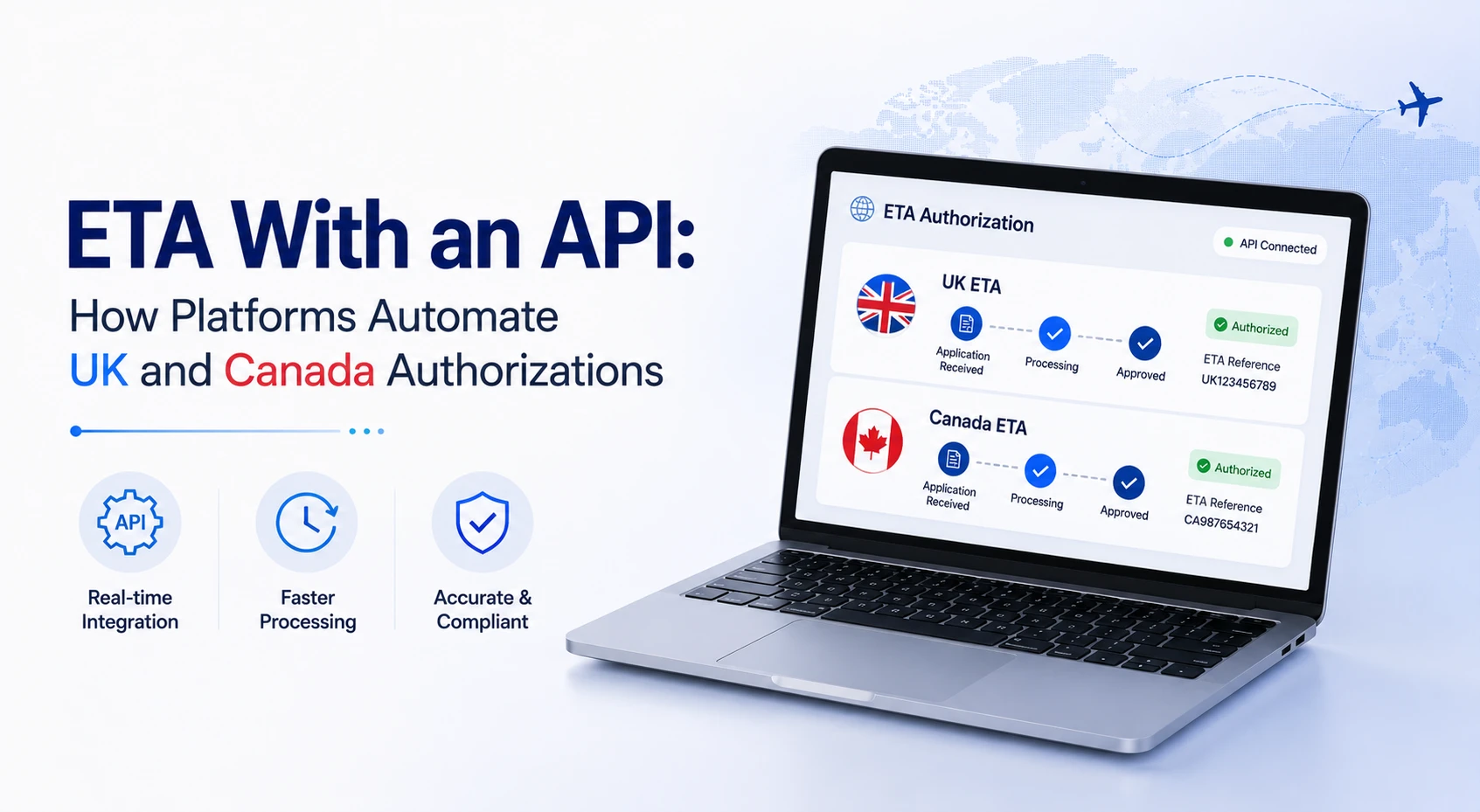
In a highly competitive travel market, such inefficiencies erode profit margins. Visa compliance automation for travel removes most of these risks.
It enforces standardized checklists and automates visa document checks upfront. It keeps requirements current. And that is how you reduce visa rejection rate by automation in a measurable way.
How Can Automation Cut Rejection Rates?
Manual visa review is slow, inconsistent and vulnerable to human error. Automation changes the game by embedding compliance checks into the application flow, so accuracy is confirmed before submission. The result: agencies can reduce visa rejection rates.
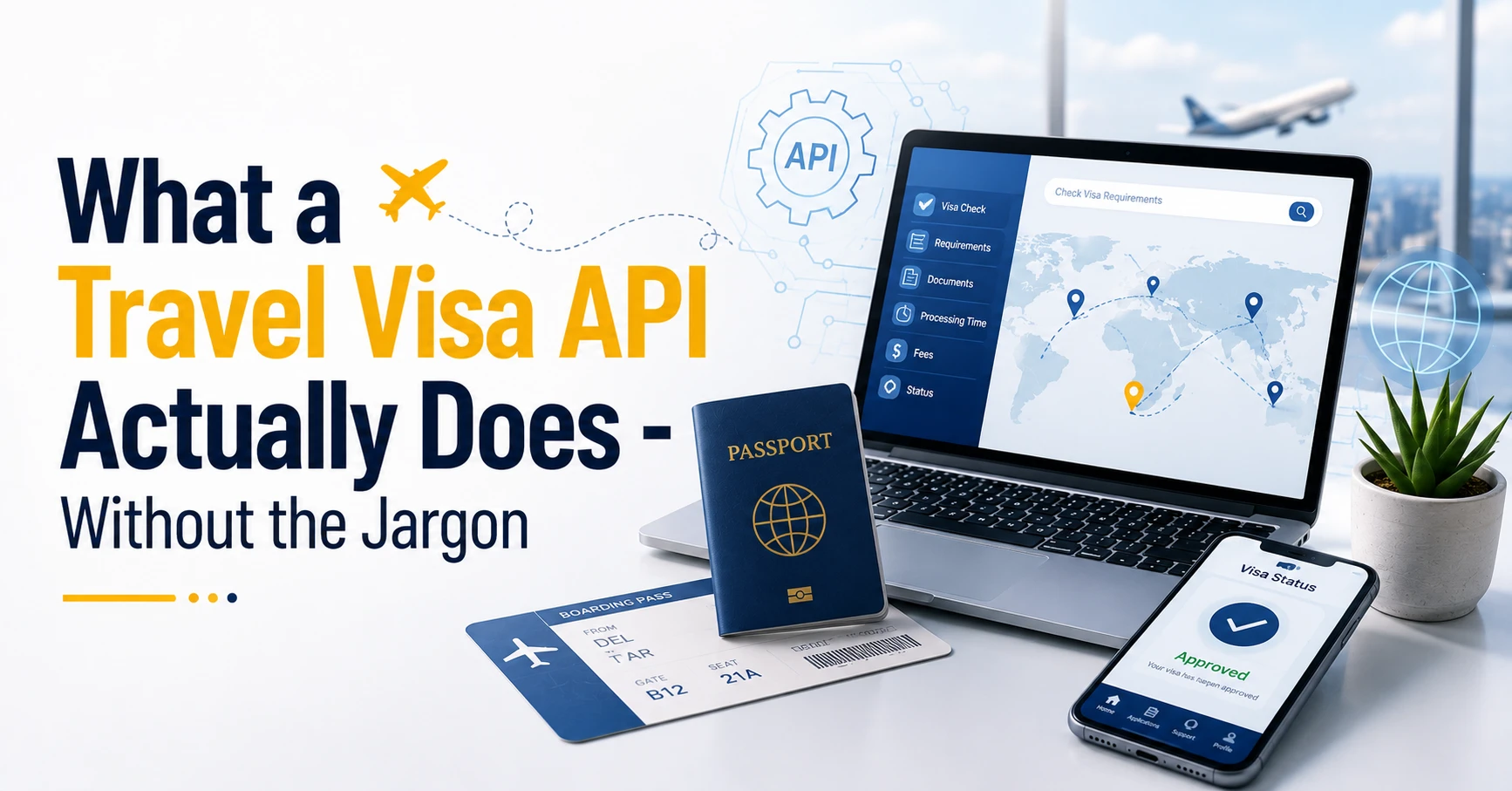
- Scan – Traveler documents are uploaded and scanned. The system checks visa details for legibility, format and completeness.
- Validate – Requirements are cross-checked against official visa databases. Outdated visa rules are flagged automatically.
- Flag Risks – The platform highlights potential issues such as expired passports, mismatched details and missing supporting documents. Staff receive alerts before submission.
- Submit – Only fully validated applications move forward. This reduces the risk of rejection and saves time.
By standardizing this process, travel agencies eliminate inconsistent checklists. They automate travel visa compliance and enforce it uniformly, so every traveler meets the latest visa requirements.
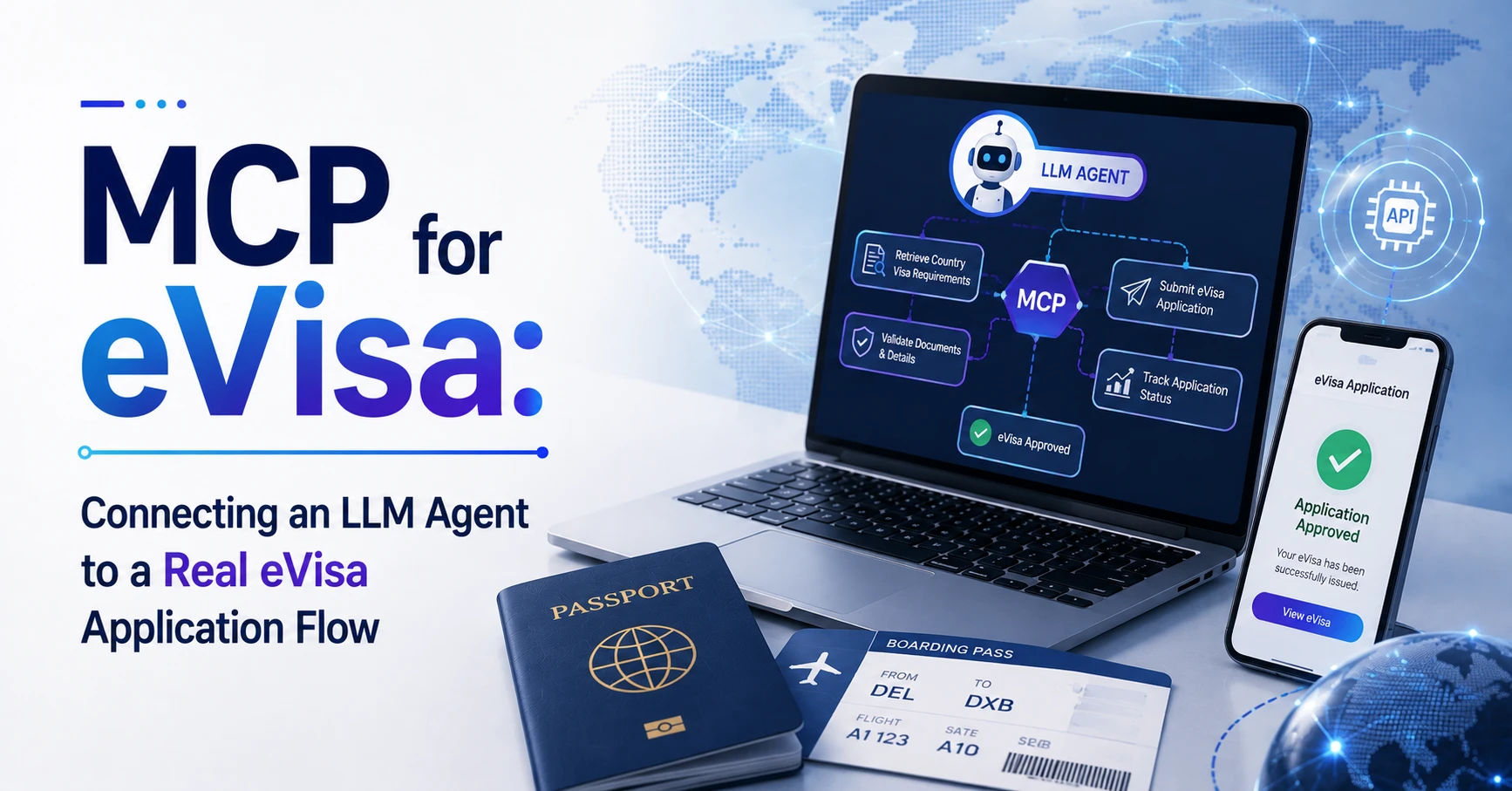
Visa compliance automation for travel creates audit trails and enforces checklists consistently. This frees staff from repetitive manual reviews and lets agencies focus on customer service rather than paperwork.
Travel agencies that automate travel visa compliance cut operational costs and protect their reputation and traveler trust.
For a deeper look at how AI enhances this process, explore an AI visa assistant validating documents in real time. Compliance checks happen instantly, which reduces the risk of rejection and gives both agencies and travelers confidence.
What to Automate First?
Agencies often ask where travel automation should begin. The answer is to prioritize the workflows that directly reduce rejection risk and save staff time.
Visa compliance automation for travel can deliver immediate results here. By focusing on the highest-impact areas first, travel agencies build confidence in automation.
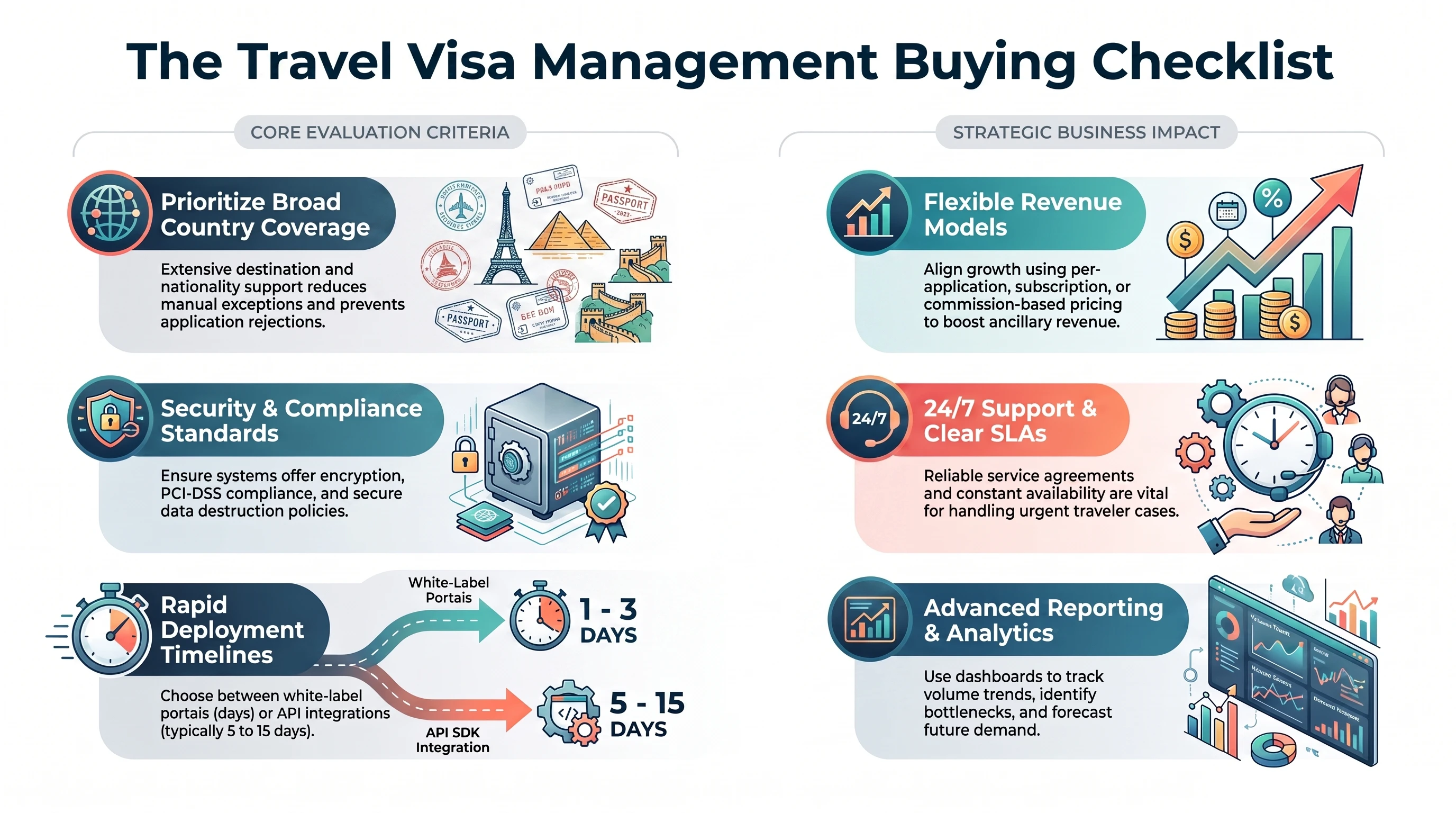
- Document capture – Start with automated intake. Digitizing traveler documents ensures legibility and completeness, and eliminates missing or unreadable files.
- Requirement checks – Integrate automated rule lookups. Systems like IATA Timatic with document-verification standards provide real-time visa checks based on entry requirements by nationality and destination. Embedding these checks keeps applications aligned with the latest regulations.
- Approvals – Automate internal workflows for compliance-officer sign-off. Standardized approvals reduce inconsistencies and make sure every application meets quality standards.
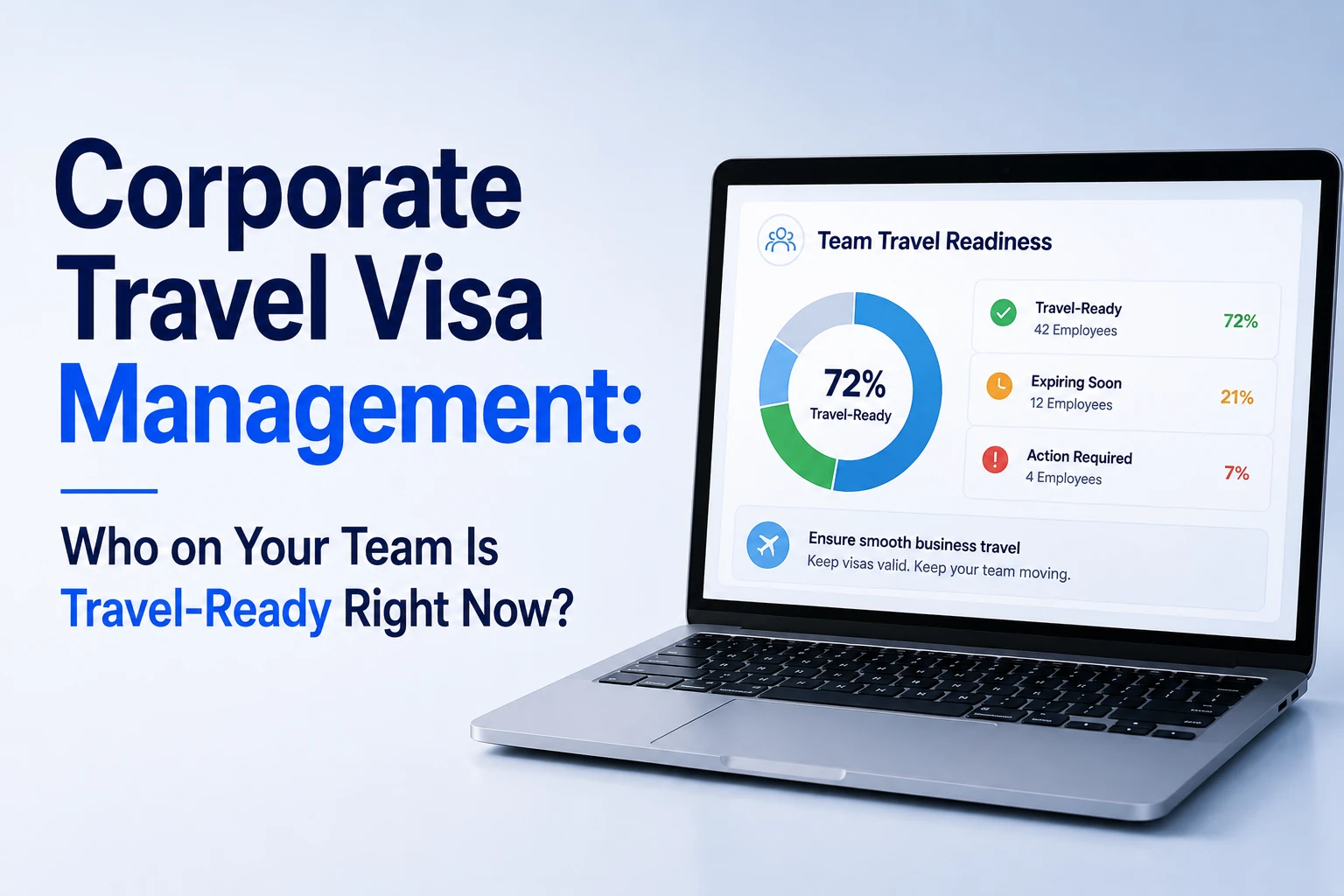
- Reporting – Finally, automate visa data analytics. Dashboards highlight rejection trends, approval times and overall revenue impact. This visibility helps agencies refine the process and demonstrate compliance to their clients.
By sequencing automation in this order, travel agencies minimize rejection rates quickly and lay the base for broader compliance automation. Visa compliance workflow automation reduces manual reviews and protects traveler trust.
For an in-depth look at vendor selection and long-term strategy, see the complete buyer's guide to a travel visa management system.
FAQs
How to reduce visa rejection rate?
Automate compliance checks before submission. Travel compliance automation software cross-verifies traveler documents, rules and formats in real time and catches errors early. Travel agencies that automate travel visa compliance see fewer rejections.
What does visa compliance automation cost?
It depends on scale and the integrations involved. Most platforms offer tiered SaaS models, starting with per-application or per-agent licensing. The ROI comes from fewer refunds, fewer manual hours and higher traveler retention.
Can it work with my current booking system?
Modern visa automation tools integrate with booking, CRM and payment systems via APIs. They sync traveler data automatically and eliminate duplicate entry. A visa compliance workflow automation system fits compliance checks into your existing workflows.
Is automated validation highly accurate?
Systems reference live databases such as IATA Timatic and government portals to verify visa requirements. Machine-learning models can flag inconsistencies instantly, so each submission is checked against current visa rules and documentation standards.
How does an automated travel document validation API reduce rejections?
The API checks passports, IDs and supporting files against official requirements in real time. It flags missing or invalid documents before submission, so applications meet compliance standards and costly rejections are reduced.
Moving Forward: See Visa Compliance Automation in Action
Fewer rejections. Hours saved. Happier travelers. Visa compliance automation for the travel industry helps agencies validate every visa document, enforce checklists and submit error-free applications, all from a single dashboard.
The result: fewer refunds, faster approvals and stronger client trust. See how automation changes your workflow and boosts efficiency.
Discover how a modern visa management platform can simplify compliance and scale your operations.
Explore the platform live, reduce your risk and protect your margins. With visa compliance automation for travel, fewer rejections and smoother workflows can start today.