
Groups
Visa Processing for Tour Groups: How Tour Operators Handle 20 to 200 eVisas Without Spreadsheets
Visa processing for tour groups gets a lot more complicated as the number of travelers grows. A departure of 40 may still look like a single booking to your ops team. In most destinations, though, it means 40 individual visa or eVisa applications.
The process therefore needs to collect the information efficiently, check the traveler data before submission, and show the status of every application.
A typical flow starts with the tour operator providing a single roster. Each traveler then gets their own link to upload their passport details and supporting documents.
The data is checked for errors before submission, and each application is tracked through to approval. Without a proper system in place, one missing document or one passport error can ripple out and affect the whole departure.
YourVisa.ai's group travel visa processing puts all of that into one roster and one dashboard instead of 40 email threads. It gives the operator a much simpler way to manage traveler information, submissions and status tracking from one place.

Group visa processing goes through 5 stages: roster, personal links, passport checks, submission, and ongoing status tracking. Most destinations issue the visa to each traveler rather than to the group as a whole.
Mixed-nationality groups should be split by nationality as early as possible. The operator should also decide up front whether the company or the individual travelers will pay the costs.
Why Do Spreadsheets Fail for Group eVisas?
Spreadsheets often seem like the obvious way to manage traveler information, but they quickly become unmanageable as the group grows.
Many operators running group tours start with a spreadsheet, because that's what they're used to and what they already have.
The trouble starts when passport copies, traveler questions and application deadlines come in from 30, 40 or 50 people at once.
A very common issue is manual data entry. People mistype the passport number, the traveler's name or the passport expiry date when they move data from one email to another, from one form to another, or into the application system.

The other issue is document quality. Travelers often send cropped or blurry passport photos, or incomplete documents that can't actually be used for processing.
Communication becomes a real pain. In any group, there's always at least one traveler who doesn't reply on time. Operators can spend hours chasing missing documents and working out which applications are actually ready to go.
Visibility is another big issue. A spreadsheet doesn't show you at a glance who has submitted their documents, who is waiting for review, who has been approved and who still needs to act.
With larger groups, the time spent tracking status becomes enormous. The result is operational risk. One rejected application or one missing document can affect departure readiness and create real pressure in the days before travel.
Is There a Single Visa For The Whole Tour Group?
In most cases, no. Many people assume one application covers the whole tour party, but in reality most destinations issue travel authorization on an individual basis.

You can often collect everyone's documents together and run the process as a group, but each person still gets their own approval, linked to their own passport.
This distinction matters. Some countries do have arrangements under which a form of tourist group visa can be issued to registered tour groups in certain circumstances.
The standard global model, however, is still one visa or eVisa per traveler. Operators therefore need to plan their processes around individual traveler records, documents and approvals.
For example, a group of 40 people going to the same destination may share one itinerary and one booking reference, but will still need 40 separate applications.
Each person must meet the eligibility criteria, provide the required documents and be approved individually.
This is why group visa management is less about getting one group authorization and more about managing many individual applications efficiently.
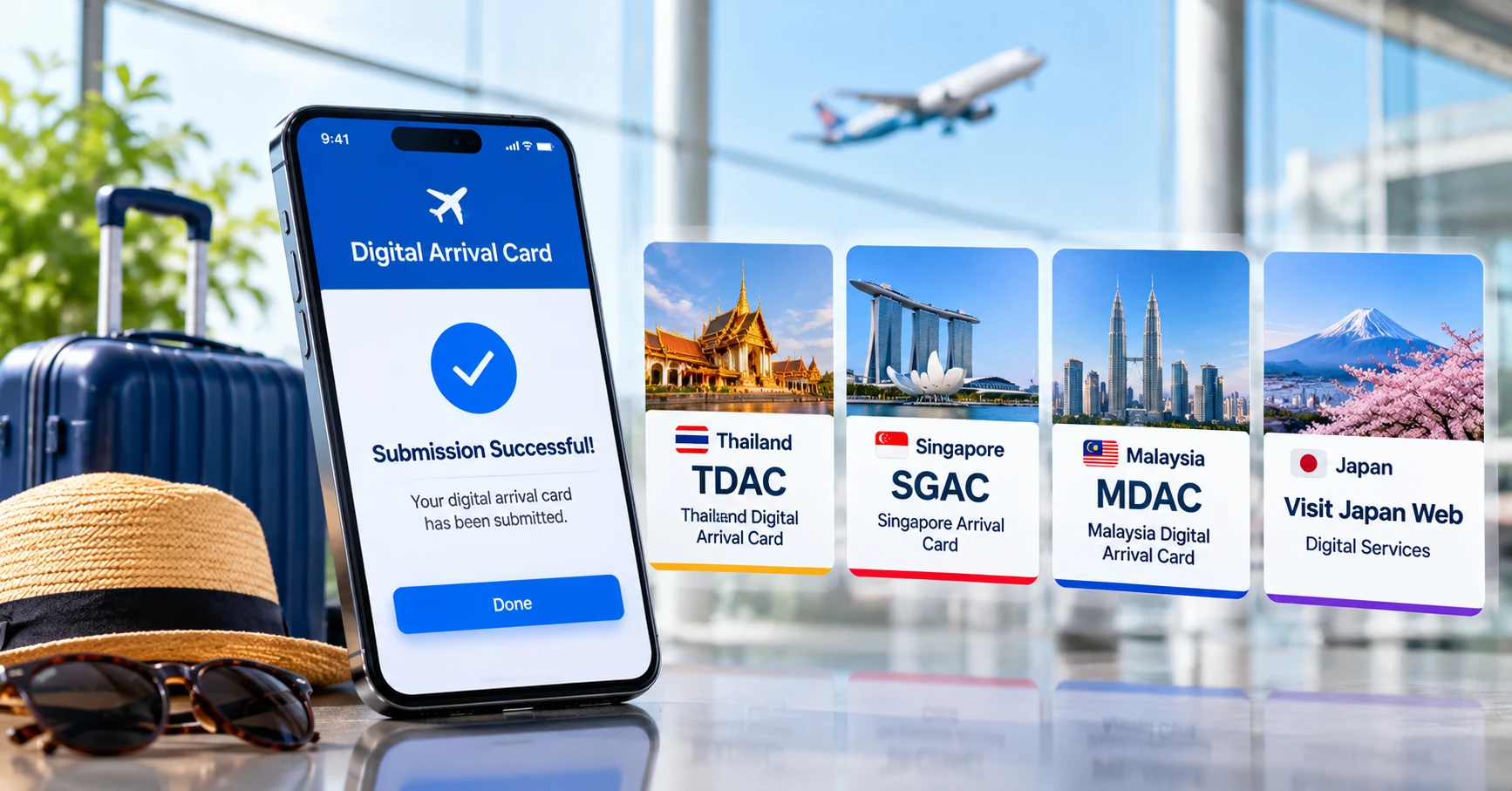
The operator's role is collection, verification and tracking, rather than submitting a single application on behalf of the group.
A structured workflow helps reduce errors, standardize communication and give operators visibility of every traveler's progress right through to departure.
The Five-Step Workflow for 20 to 200 Travelers
As groups get bigger, the aim isn't to make the visa process identical for every individual. The goal is a repeatable process that cuts manual work while still giving you visibility across the board. A structured process becomes very valuable once you go beyond 20 people.
- Step 1: Build a master list with the names, nationalities and contact details of all travelers. Instead of collecting documents through email chains, the master list becomes the starting point for the whole process.
- Step 2: Each traveler gets a personal link where they can securely enter their passport details and upload their documents, or scan their passport with their phone. Operators no longer need to type in traveler details by hand, which reduces the risk of data entry errors.
- Step 3: The uploaded files are checked for passport expiry, missing fields, unreadable images and poor photo quality before submission. Catching issues at this stage prevents delays later on.
- Step 4: The operator reviews the information gathered and moves ahead with the visa process for the destination. A good tour operator evisa workflow should make it easy to process large numbers of applications without losing sight of the individual traveler.
- Step 5: Travelers and operators get reminders, updates and approval notifications as needed, right up until departure.
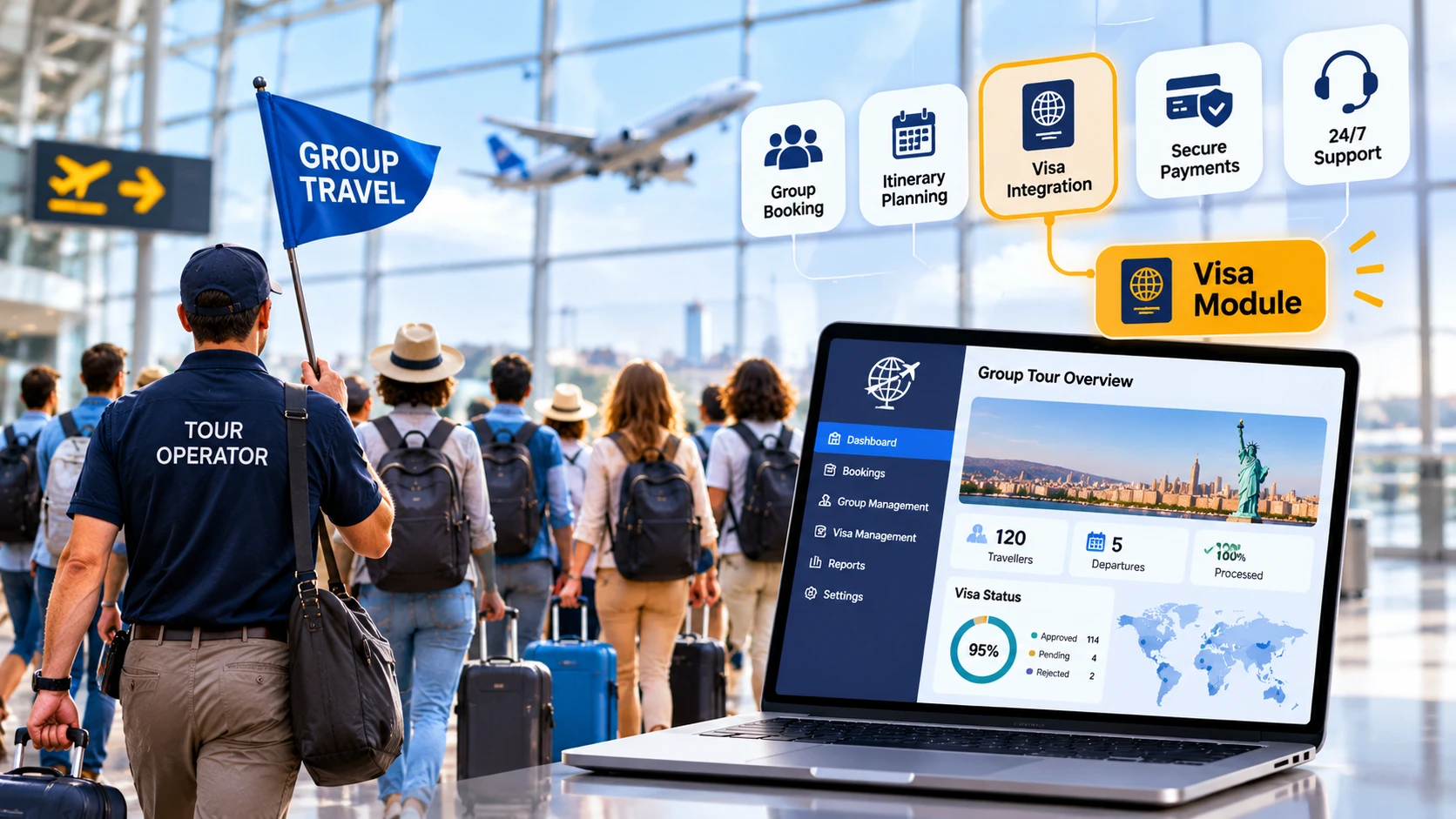
In the YourVisa.ai group workflow, one order can cover up to 10 travelers of the same citizenship, and larger groups are managed through multiple orders in the same dashboard.
Five-Step Workflow
- Step 1 — Roster: Operator uploads traveler list.
- Step 2 — Personal Link: Each traveler submits information.
- Step 3 — Passport Checks: Expiry, quality and missing fields reviewed.
- Step 4 — Submission: Applications proceed through the required process.
- Step 5 — Status & Reminders: Progress tracked until departure.
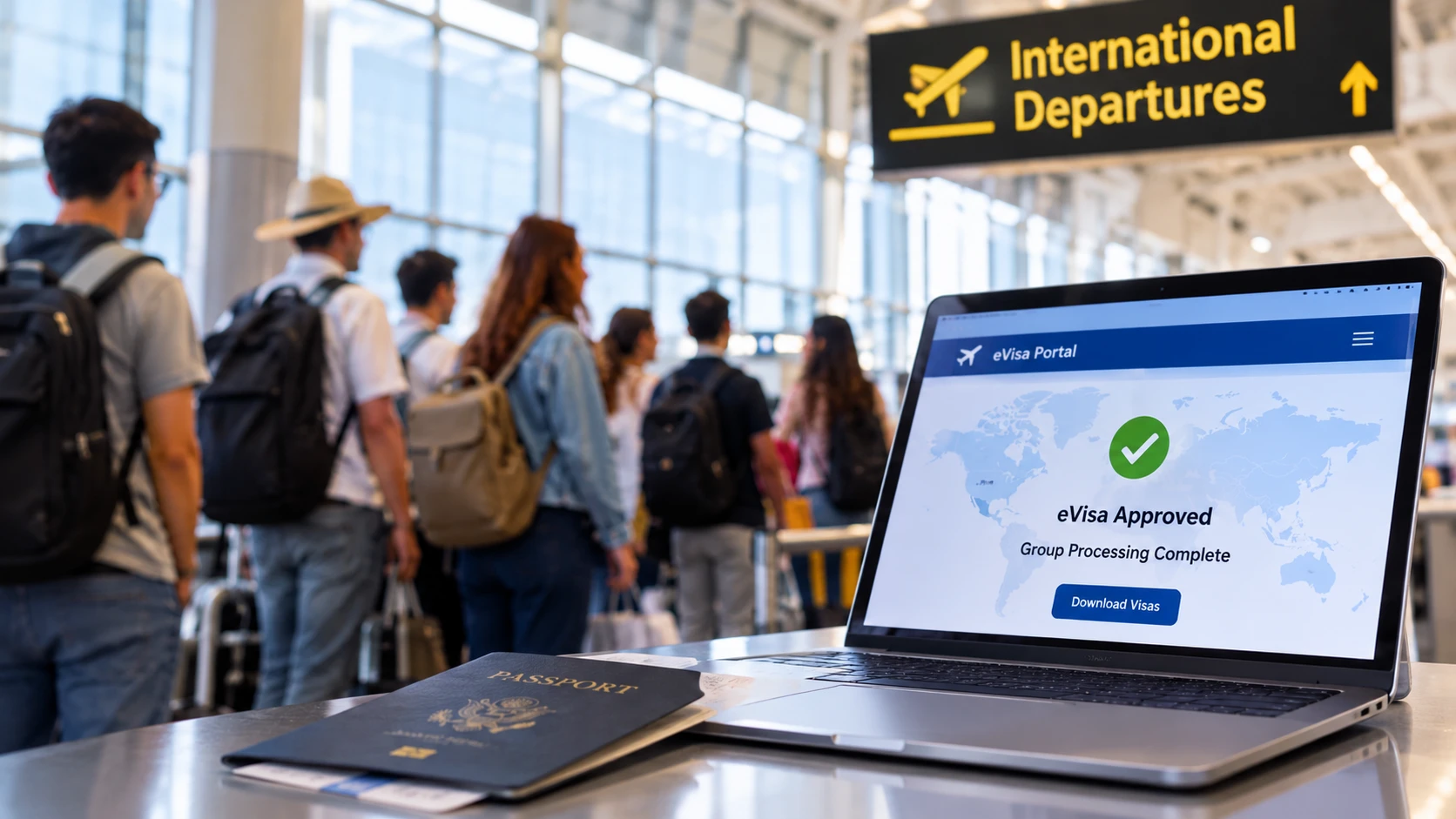
How Should You Split a Mixed-Nationality Group?
One of the most common mistakes in visa administration is treating a mixed-nationality tour as a single unit. Travelers may share flights, hotels and itineraries, but visa requirements often differ a lot by citizenship.
For that reason, operators should split travelers by nationality during the group booking process, rather than waiting until the applications are ready to submit.
It's far easier to work out the required documents, lead times and eligibility rules for each cohort if you split them at the point of booking.
Take a 30-person departure made up of 24 US citizens, 4 Canadian citizens and 2 Indian nationals. They're all traveling together, but each nationality has its own visa requirements, processing times and documents.

Managing them as one batch increases the risk of confusion and missed deadlines. This approach is especially valuable for group tours visiting destinations where entry requirements differ a lot by passport.
Separate batches let the operator send the right instructions, monitor progress more closely and spot delays before they affect departure dates.
Grouping travelers correctly from the start reduces the admin burden and creates a much clearer workflow for both staff and passengers.
What Should You Track Until Departure?
Submitting the applications is only the beginning. Operators need to keep a close eye on traveler readiness right up to departure day.
Problems can still appear later: missing documents, expired passports, or approvals that haven't been downloaded.
An effective bulk visa processing platform, or any group visa application software you use, should give you a single view of every traveler's status:
- Who has completed their submission.
- Who is awaiting approval.
- Who has outstanding document requests.
- Who needs follow-up.
- Who is at risk of passport validity issues before check-in.
- Who has received approval.
- Who has downloaded their approval documents.
- Who still needs to access or download their travel authorization.
- Each traveler's passport expiry date and the validity requirements for the destination.

Operators running several departures at once can move cases into a visa management dashboard, where they can monitor all traveler records, statuses and departures from one place.
Agencies new to this usually start by automating visa applications for travel agents on single bookings, then scale the same process to larger groups.
Costs and Who Pays
There are two common payment models for group travel visa admin. The first is a central model, where the tour operator or sponsoring organization pays for all applications and handles reconciliation internally. That gives the operator a lot of control over timing and completion rates.
The second model puts the responsibility on the individual traveler. Each traveler gets their own payment link and pays before their application can move forward.
This can reduce the admin load on the operator. The downside is that you may need more follow-up if people are slow to pay.
For larger groups, YourVisa.ai's group discount grows as more travelers join, so the exact discount depends on the size of the departure rather than a fixed percentage.
Keep service fees and government charges apart. Official visa, ETA and travel authorization fees are separate from any service or administration fees, and they should always be shown separately.
Operators should also keep an eye on changing entry requirements. US travelers can check destination-specific information in the State Department's travel advisories. Visitors to the UK who don't need a visa, including US citizens, generally need an Electronic Travel Authorisation (ETA) under the UK government's rules.

FAQ
1) How does visa processing for tour groups work?
Visa processing for tour groups starts with a traveler roster. Each traveler then receives a personal link to submit their passport details and supporting documents. The applications are then reviewed, submitted and tracked until they are approved.
2) Can a tour operator apply for eVisas on behalf of travelers?
Many destinations allow the operator or an authorized service provider to help prepare and submit applications. Requirements vary from country to country, so operators need to check the rules for each destination.
3) What if one of the travelers in the group is refused?
A refusal only affects that one traveler's application. The rest of the group can normally go ahead with their applications and travel plans, as long as they meet all requirements and are approved.
Run Your Next Departure from One Roster!
Managing group travel documents doesn't have to mean juggling dozens of email threads and spreadsheets.
Start with a single traveler roster, collect information through personal links, and track every application from one place. Upload your traveler list and get a quote in seconds.